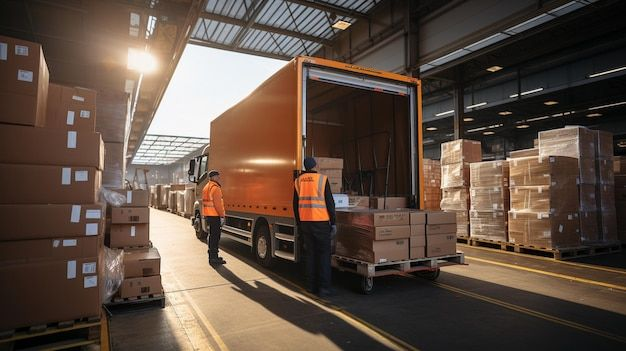
Importance Of Commercial Hazardous Waste Transportation In Modern Logistics
Modern logistics is more than just moving products from point A to point B. It involves a complex network of supply chains, safety protocols, and regulatory compliance. Among the most critical aspects is the handling and transportation of hazardous materials. Improper management can lead to environmental disasters, health risks, and legal consequences. Commercial hazardous waste transportation ensures that dangerous substances are moved safely, responsibly, and efficiently, protecting both people and the planet.
Defining Commercial Hazardous Waste Transportation
Commercial hazardous waste transportation refers to the process of moving industrial or commercial waste that poses risks to human health or the environment. This can include chemicals, medical waste, flammable materials, and other toxic substances. Companies rely on specialized vehicles, trained personnel, and strict regulatory compliance to prevent accidents during transit. Efficient commercial hazardous waste transportation safeguards communities and ensures that businesses operate within legal frameworks.
Regulatory Compliance And Safety Standards
One of the biggest reasons commercial hazardous waste transportation is vital is the complex regulatory landscape. Agencies like the Environmental Protection Agency (EPA) set strict rules to control the handling, storage, and movement of hazardous waste. Companies must follow labeling standards, maintain proper documentation, and adhere to vehicle requirements. These protocols prevent leaks, spills, and environmental contamination, making regulatory compliance a cornerstone of safe transportation practices.
Environmental Protection And Risk Mitigation
Transporting hazardous waste safely isn’t just about legal compliance—it’s about protecting the environment. Spills, leaks, or improper disposal can harm soil, water, and air quality. Commercial hazardous waste transportation ensures that waste is contained, handled, and delivered to approved facilities. By following strict containment protocols, companies reduce the risk of accidents and contribute to sustainable practices that safeguard natural resources for future generations.
Efficiency And Cost-Effective Logistics
Efficient logistics play a significant role in modern business operations. Commercial hazardous waste transportation involves route planning, timing, and coordination with treatment facilities. Efficient transportation reduces delays, minimizes risk exposure, and optimizes costs. Companies benefit from streamlined operations while maintaining high safety standards. Investing in proper transportation systems ensures that hazardous materials are managed responsibly without disrupting other supply chain processes.
Training And Expertise In Handling Hazardous Materials
Handling hazardous waste is not a job for untrained personnel. Drivers, loaders, and logistics managers require specialized training in chemical properties, emergency response, and safety protocols. The commercial hazardous waste transportation companies prioritize workforce expertise to reduce the risk of accidents. Skilled personnel ensure that all safety measures are applied correctly, preventing costly incidents and protecting public health.
See also: Benefits of Opening a Personal Savings Account Early
Technology And Innovation In Hazardous Waste Logistics
Modern logistics increasingly relies on technology to improve safety and efficiency. GPS tracking, real-time monitoring, and automated documentation systems help manage commercial hazardous waste transportation with precision. Advanced containment solutions and sensors alert operators to potential leaks or spills. Technology enhances operational transparency, allowing companies to track hazardous materials from origin to disposal safely.
Conclusion
Commercial hazardous waste transportation is a critical component of modern logistics. It ensures regulatory compliance, protects the environment, and promotes safe handling of dangerous materials. With skilled personnel, efficient processes, and innovative technology, companies can manage hazardous waste responsibly while minimizing risks.